Oh, I just love that moment when spring finally hits and the market stalls start overflowing with color. All those bright greens, sunny yellows, and deep reds practically beg to be thrown into a dish together, don’t they? That’s exactly where my love affair with Pasta Primavera started. It’s my go-to celebration of the season—a quick, 30-minute, one-pan wonder that turns a simple Tuesday night into something special.
I remember making a huge batch of this last April for a last-minute family dinner. My cousin showed up with her kids, and I had about 20 minutes to get food on the table. I just grabbed whatever looked freshest at the store that morning—some crisp zucchini, a handful of cherry tomatoes, and a vibrant bell pepper—and got to work. The whole thing came together faster than you can set the table. The best part? Watching everyone, especially the picky eaters, go back for seconds because it’s just that satisfying. It’s not heavy or complicated; it’s just honest, colorful food that makes you feel good. Trust me, once you see how easy it is to get that restaurant-quality veggie pasta at home, you’ll be making it all season long.
Why This Pasta Primavera Recipe Works
I’ve made this dish a hundred different ways over the years, and I keep coming back to this method because it just… works. It’s not fussy, and it delivers every single time. Here’s why I swear by it:
- It’s a 30-minute lifesaver. From chopping board to dinner table in half an hour? Yes, please. It’s my secret weapon for busy weeknights when I want something real, not takeout.
- You can use literally any veggie. Don’t have zucchini? Use asparagus. Out of broccoli? Toss in some green beans. This recipe is a blueprint for whatever looks good at the market or is wilting in your fridge.
- It feels light but totally satisfies. After testing countless versions, I found the trick: a splash of broth and that magical reserved pasta water create the perfect light, clingy sauce. No heavy cream needed—just pure, fresh flavor coating every noodle.
- The veggies stay perfectly crisp-tender. My biggest pet peeve is mushy vegetables. The key is adding them in stages so the harder ones (like broccoli) get a head start, and the delicate ones (like peas) just warm through at the end. You get that gorgeous bite in every forkful.
Pasta Primavera Ingredients
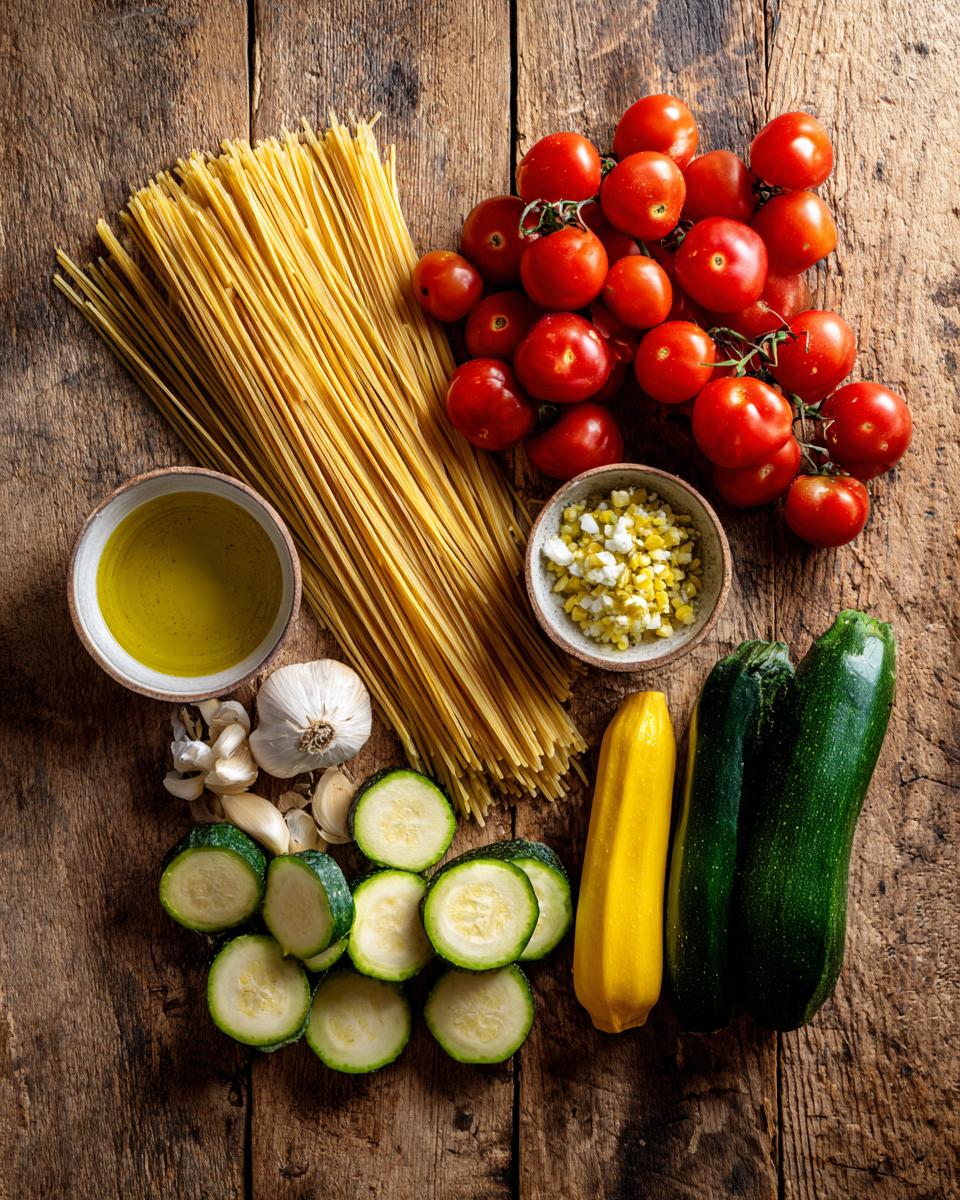
Okay, let’s gather our rainbow! The beauty of this recipe is its simplicity. You don’t need a long grocery list, just a handful of fresh, colorful things. Here’s exactly what I grab for my perfect Pasta Primavera:
- 12 ounces (340g) fettuccine or linguine pasta
- 2 tablespoons olive oil
- 3 cloves garlic, minced (Don’t be shy here!)
- 1 medium zucchini, sliced into half-moons
- 1 medium yellow squash, sliced into half-moons
- 1 cup cherry tomatoes, halved
- 1 bell pepper (any color!), sliced
- 1 cup broccoli florets
- 1/2 cup fresh or frozen peas
- 1/2 cup vegetable broth
- 1/4 cup grated Parmesan cheese
- 1/4 cup chopped fresh basil
- Salt and black pepper to taste
Ingredient Notes and Swaps
Listen, I’m all about using what you’ve got. This isn’t a chemistry experiment! First, the pasta: fettuccine is my favorite for catching the sauce, but penne, rigatoni, or even spaghetti works great. For the veggies, swap freely! Got asparagus? Toss it in instead of broccoli. Mushrooms? Yes! Carrots? Thinly slice them.
Out of vegetable broth? Just use water and a bouillon cube or a spoonful of miso paste for that savory punch. Now, the cheese and herbs: if you’re keeping it vegan, skip the Parmesan or use a sprinkle of nutritional yeast. And while fresh basil makes it sing, in a pinch, a teaspoon of dried Italian herbs stirred into the broth works, too. See? No stress.
How to Make Pasta Primavera: Step-by-Step Guide
Alright, let’s get cooking! The magic here is all in the timing, but don’t worry—I’ll walk you through it. It’s like a little kitchen dance, and once you do it once, you’ll have the steps down forever.
First, get your pasta going. Fill a big pot with water, salt it generously (it should taste like the sea!), and bring it to a rolling boil. Toss in your fettuccine and cook it until it’s just al dente—it should still have a little bite to it. This is crucial! Before you drain it, grab a mug and scoop out about half a cup of that starchy pasta water. Trust me, this is liquid gold for your sauce.
While the pasta cooks, heat your olive oil in a large skillet over medium heat. Add the garlic and let it sizzle for just about a minute until it smells amazing. Now, here’s the veggie strategy: add your zucchini, yellow squash, bell pepper, and broccoli. Don’t overcrowd the pan—if it’s too packed, the veggies will steam instead of sauté. Give them a good stir and let them cook for 5-7 minutes. You want them tender but still bright and with a little crunch.
Next, stir in the cherry tomatoes and peas. They just need a couple of minutes to warm through. Pour in your vegetable broth and let it simmer for another minute or two. Now, add your drained pasta right into the skillet with all those beautiful veggies. Toss everything together, and this is where you use that reserved pasta water. Add a splash at a time until you have a light, silky sauce clinging to every noodle.
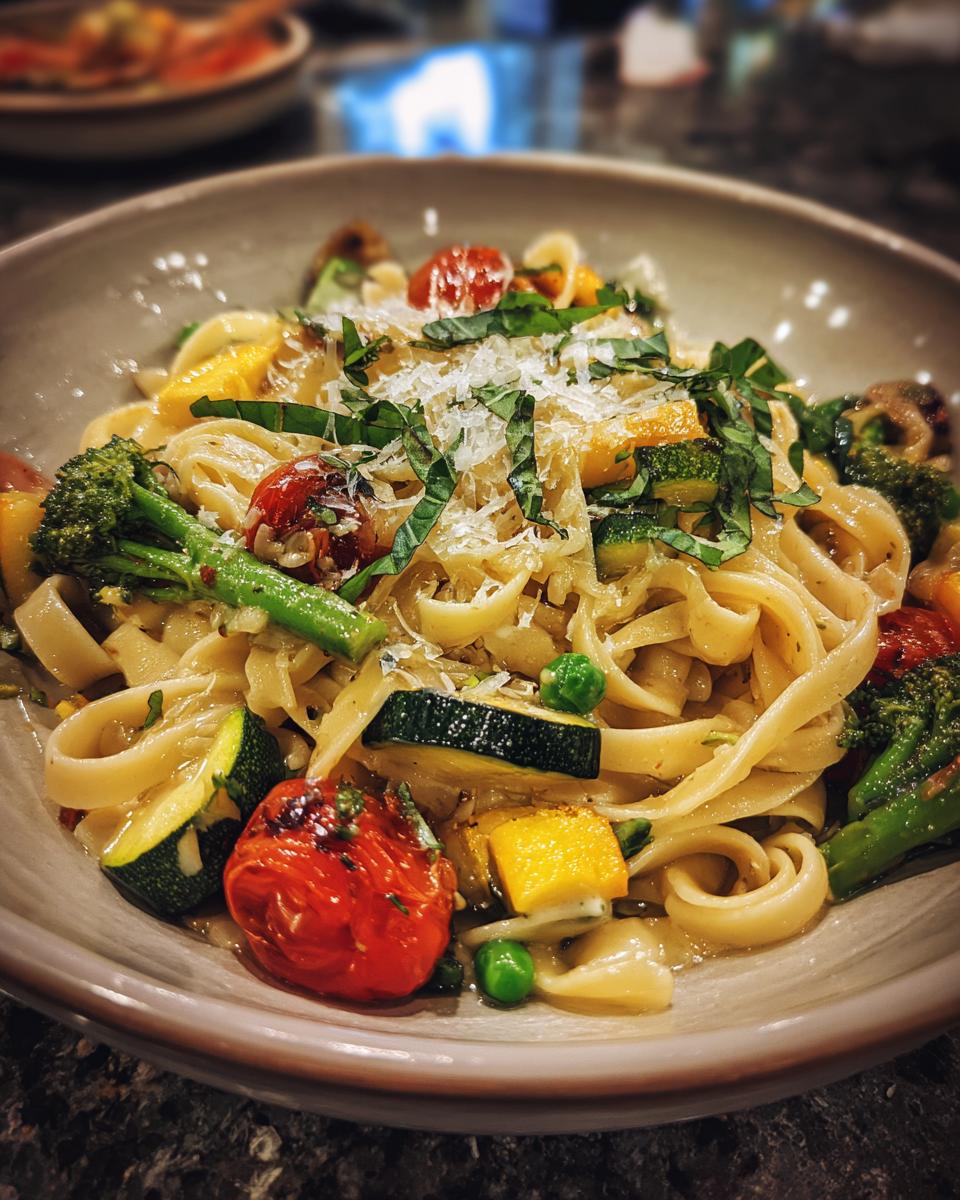
Take the skillet off the heat. Stir in the Parmesan and fresh basil right at the end—the residual heat will melt the cheese and wilt the basil perfectly. Give it a taste, season with salt and pepper, and you’re done! Serve it up immediately while it’s hot and fabulous.
Pro Tips for Perfect Pasta Primavera
After making this more times than I can count, I’ve picked up a few tricks. My number one rule? Don’t overcook the pasta! It keeps cooking a bit when you toss it with the hot veggies, so al dente is perfect. To avoid mushy vegetables, remember the order: harder veggies (broccoli, peppers) go in first, softer ones (zucchini, tomatoes) later.
That reserved pasta water is your secret weapon. The starch in it helps the sauce emulsify and stick to the pasta. And always, always add the fresh basil and cheese off the heat. This keeps the basil bright and green and prevents the cheese from getting clumpy. Follow these little steps, and you’ll get a vibrant, restaurant-worthy dish every single time.
Customizing Your Pasta Primavera
Honestly, the recipe I gave you is just the starting line. That’s the best part about Pasta Primavera—it’s a blank canvas for whatever you’re craving! Think of it as your kitchen playground. Want to make it heartier? Toss in some leftover shredded chicken, plump shrimp, or a can of rinsed chickpeas right at the end.
Feeling fancy? A splash of cream or a dollop of ricotta stirred in off the heat makes it wonderfully rich. If you like a little kick, a pinch of red pepper flakes with the garlic is a game-changer. And the herbs? Parsley, chives, or even a little mint are all amazing swaps for basil. Seriously, let your fridge and the season guide you. That’s how the best meals happen.
Serving and Storing Pasta Primavera
Okay, the fun part! I love serving this right out of the skillet, family-style. Grab a big bowl and pile it high. For that final touch, I always have a little extra grated Parmesan and a handful of torn basil leaves on the table—it makes everyone feel like they’re at a little Italian trattoria. It’s fantastic all on its own, but if you want to round out the meal, a simple green salad with a lemony vinaigrette is my go-to. It just feels right.
Now, if you have leftovers (a rare event in my house!), they’ll keep in the fridge for about 2 days in a sealed container. The trick to reviving it is to reheat it gently in a skillet with a tiny splash of water or broth. The microwave can make the pasta a bit gummy, but the skillet brings the sauce back to life and re-wilts the herbs perfectly. Just give it a quick toss over medium heat until it’s warmed through. Easy!
Pasta Primavera Nutritional Information
Okay, let’s talk numbers for a second! For one serving of this veggie-packed dish, you’re looking at roughly 380 calories. It has about 10g of fat (mostly the good kind from olive oil!), 58g of carbohydrates with a solid 6g of fiber from all those beautiful vegetables, and a nice 14g of protein from the pasta and cheese. The sodium comes in around 320mg.
Now, a quick but important note: these are my best estimates based on the exact ingredients I use. Your numbers might wiggle a bit depending on your specific brand of pasta, how much cheese you sprinkle, or if you add a little extra something-something. Think of it as a helpful guide, not a strict rule!
Pasta Primavera FAQs
I get asked the same few questions about this recipe all the time, so let’s tackle them head-on! These are the little tips and swaps that’ll make this dish fit perfectly into your life.
Can I make Pasta Primavera ahead of time?
Honestly, it’s absolute best served fresh, right out of the pan. The veggies are at their peak crispness and the pasta is perfectly saucy. But! You can be a total weeknight hero by prepping the components ahead. Chop all your vegetables and store them in a container in the fridge. Cook and store your protein separately if you’re using any. Then, when you’re ready to eat, just sauté the veggies and toss everything together. It’ll still be delicious, I promise.
What protein can I add to Pasta Primavera?
Oh, absolutely! I do this all the time, especially if I’m feeding hungry teenagers. My favorite quick-cooking options are shrimp (they cook in just a few minutes in the skillet) or some pre-cooked shredded chicken or rotisserie chicken stirred in at the end to warm through. For a plant-based boost, a can of rinsed chickpeas or white beans is fantastic—just add them with the tomatoes to heat up. It’s an easy way to make the meal feel more substantial.
Is Pasta Primavera gluten-free?
It absolutely can be! Just swap the regular pasta for your favorite gluten-free pasta brand. The rest of the ingredients are naturally gluten-free, but you’ve got to be a label detective for one thing: the vegetable broth. Some brands use wheat, so just double-check that. Do that, and you’ve got a completely gluten-free, veggie-packed dinner.
How can I make Pasta Primavera vegan?
Super easy! You just need two simple swaps. First, skip the Parmesan cheese. Instead, I love stirring in a couple tablespoons of nutritional yeast at the end—it gives that same savory, cheesy vibe. Or, use your favorite vegan parmesan-style shreds. Second, make sure your vegetable broth is certified vegan (some have honey or dairy derivatives). Do that, and you’ve got a gorgeous, completely plant-based feast.
Share Your Pasta Primavera Creation
I’d love to see what you come up with! Did you add your own spin with extra veggies or a dash of spice? Snap a picture of your colorful bowl and share it with me. Drop a comment below to let me know how it turned out or to share your favorite family twist on this spring classic!
Print
Pasta Primavera with Spring Vegetables
- Total Time: 30 minutes
- Yield: 4 servings 1x
- Diet: Vegetarian
Description
Pasta Primavera is a fresh vegetable pasta dish that celebrates spring produce. You toss cooked pasta with a light sauce made from sautéed seasonal vegetables, garlic, and herbs. It’s a quick, colorful, and satisfying meal.
Ingredients
- 12 ounces (340g) fettuccine or linguine pasta
- 2 tablespoons olive oil
- 3 cloves garlic, minced
- 1 medium zucchini, sliced
- 1 medium yellow squash, sliced
- 1 cup cherry tomatoes, halved
- 1 bell pepper (any color), sliced
- 1 cup broccoli florets
- 1/2 cup fresh or frozen peas
- 1/2 cup vegetable broth
- 1/4 cup grated Parmesan cheese
- 1/4 cup chopped fresh basil
- Salt and black pepper to taste
Instructions
- Cook the pasta in a large pot of salted boiling water until al dente. Reserve 1/2 cup of pasta water before draining.
- Heat olive oil in a large skillet over medium heat. Add garlic and cook for 1 minute until fragrant.
- Add zucchini, yellow squash, bell pepper, and broccoli to the skillet. Sauté for 5-7 minutes until vegetables are tender-crisp.
- Stir in cherry tomatoes and peas. Cook for another 2-3 minutes.
- Pour in vegetable broth and bring to a simmer. Cook for 2 minutes.
- Add the drained pasta to the skillet with the vegetables. Toss everything together, adding reserved pasta water a little at a time if needed to create a light sauce.
- Remove from heat. Stir in Parmesan cheese and fresh basil. Season with salt and black pepper.
- Serve immediately.
Notes
- Use any seasonal vegetables you have. Asparagus, carrots, or mushrooms work well.
- For extra protein, add cooked shredded chicken or chickpeas.
- The dish is best served fresh but leftovers keep in the refrigerator for up to 2 days.
- Prep Time: 15 minutes
- Cook Time: 15 minutes
- Category: Main Dish
- Method: Sautéing, Boiling
- Cuisine: Italian-American
Nutrition
- Serving Size: 1/4 of recipe
- Calories: 380
- Sugar: 8g
- Sodium: 320mg
- Fat: 10g
- Saturated Fat: 2.5g
- Unsaturated Fat: 6g
- Trans Fat: 0g
- Carbohydrates: 58g
- Fiber: 6g
- Protein: 14g
- Cholesterol: 5mg