You know those nights when you’re tired, hungry, and just want something good to eat without a fuss? That’s when this pasta with peas becomes my absolute hero. It’s the kind of simple, comforting meal I turn to again and again, and honestly, after years of testing pasta recipes on busy weeknights, I think I’ve finally nailed it. My secret? A one-pan sauce that comes together in the time it takes to boil the noodles, so you’re sitting down to a real, satisfying dinner in about 25 minutes flat.
I can’t tell you how many times this dish has saved my sanity. I vividly remember one particularly chaotic Wednesday—the kids were cranky, work ran late, and the fridge was looking bare. I pulled out a bag of frozen peas and a box of pasta, and twenty minutes later, we were all happily twirling forks, the world feeling a little bit brighter. That’s the magic of a recipe like this. It’s not fancy, but it’s deeply good, and sometimes that’s exactly what you need.
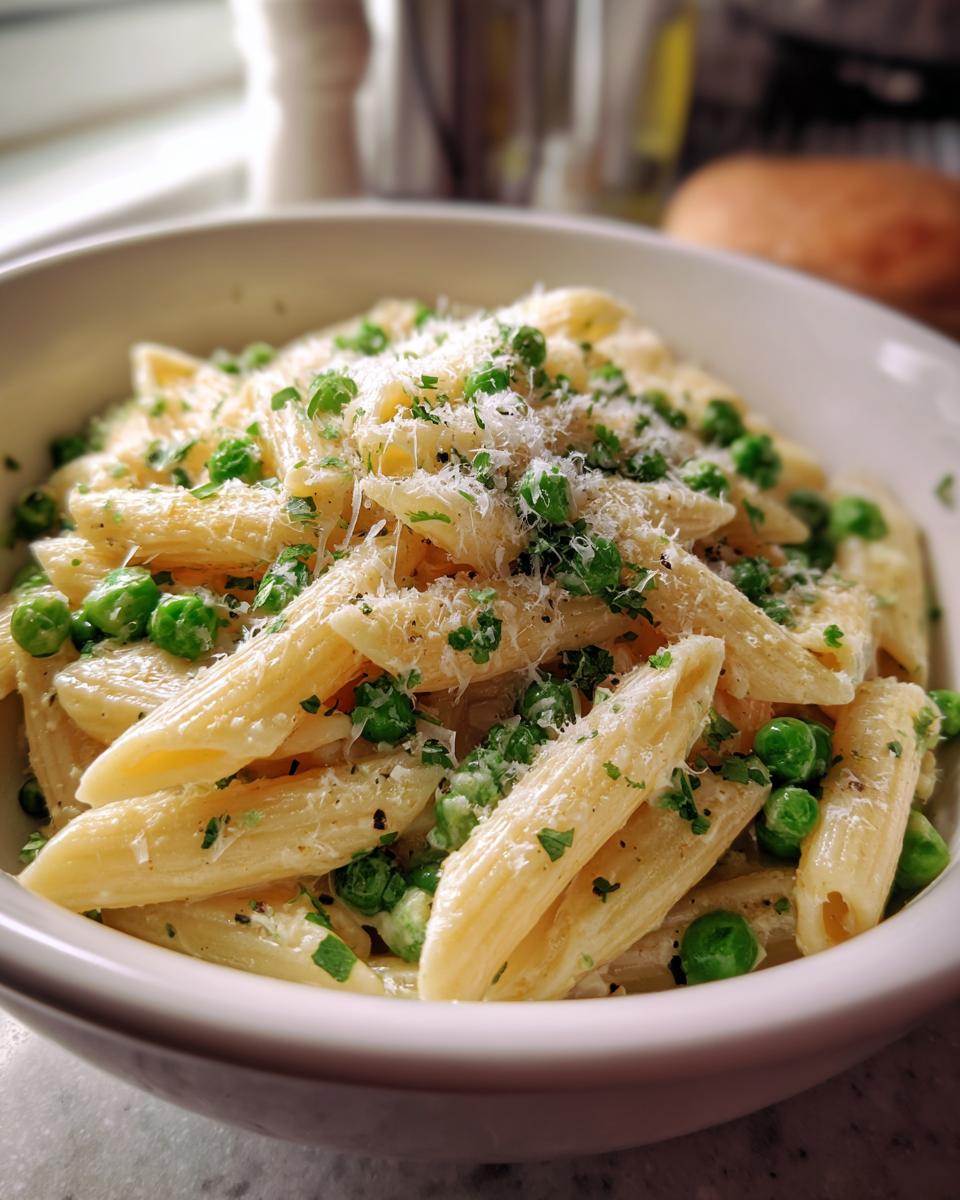
Why You Will Love This Pasta with Peas
Trust me, this isn’t just another pasta recipe. It’s a lifesaver. Here’s why it’s become a permanent star in my weeknight rotation:
- It’s crazy fast. From hungry to happy in about 25 minutes. I time it—the sauce is done just as the pasta finishes boiling.
- You barely dirty any dishes. One big pot for the pasta, one skillet for everything else. That’s my kind of clean-up.
- The flavor is pure comfort. Sweet peas, savory onions, and that cozy, cheesy sauce… it just tastes like home.
- It’s a perfect blank canvas. Feel like adding some herbs, a protein, or a pinch of chili flakes? Go for it! It’s so easy to make it your own.
Ingredients for Pasta with Peas
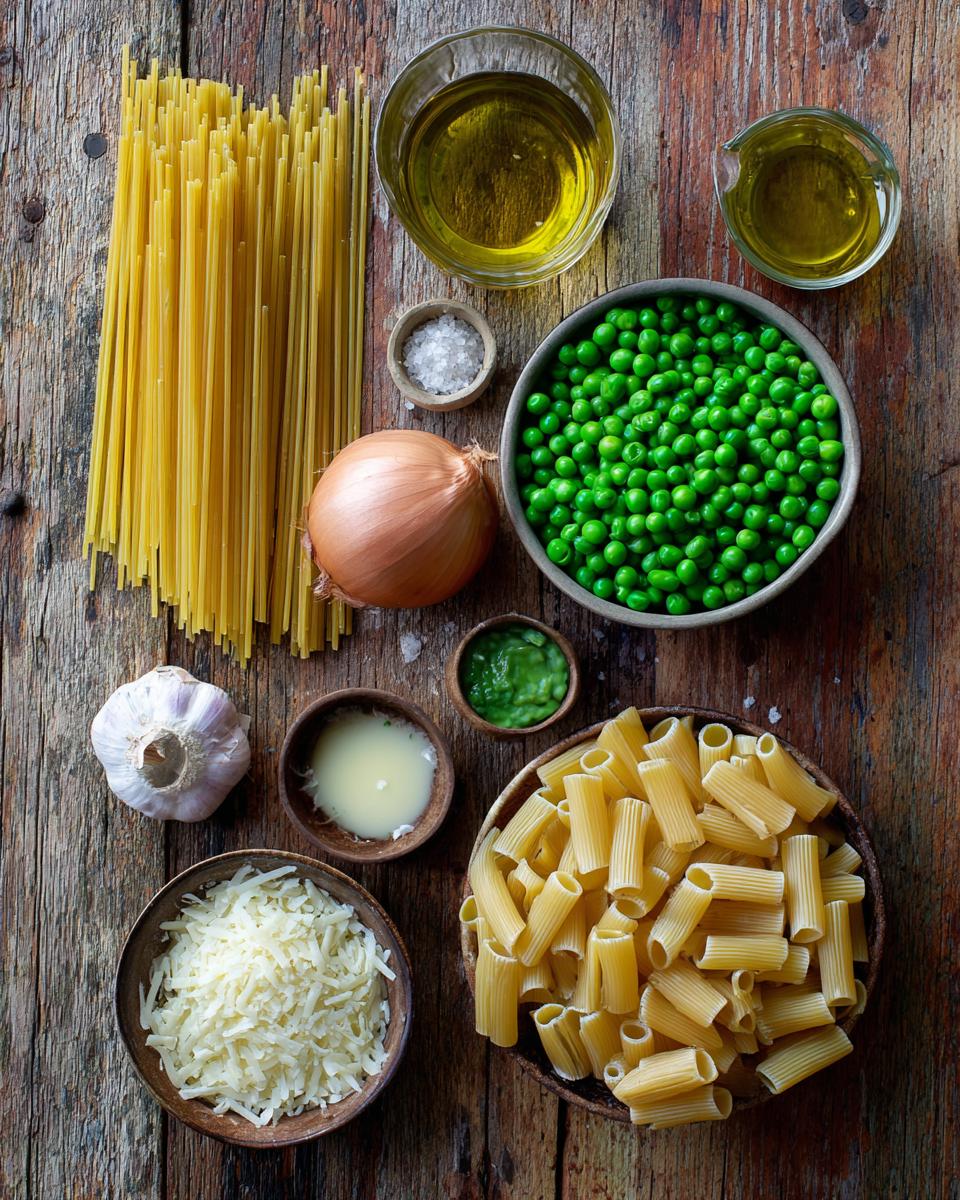
Okay, let’s talk ingredients! This is where the magic starts, and honestly, keeping it simple is the whole point. You probably have most of this in your pantry right now. Here’s exactly what you’ll need to grab:
- 12 ounces (340g) dry pasta: I love using something like penne or small shells because they really cradle the peas and sauce.
- 2 tablespoons olive oil: For sautéing our flavor base.
- 1 small onion, finely chopped: This is going to give our sauce a sweet, savory foundation.
- 2 cloves garlic, minced: Don’t skimp here—fresh is best!
- 2 cups frozen peas: The star of the show! No need to thaw them first.
- 1 cup vegetable broth: I use low-sodium so I can control the saltiness myself.
- 1/2 cup grated Parmesan cheese: For that rich, salty finish.
- Salt and black pepper to taste: Season as you go!
One non-negotiable: You must reserve a cup of the starchy pasta water before you drain the pot. This is my secret weapon for creating a silky, restaurant-quality sauce that clings to every noodle. I’ll remind you again in the steps, but consider this your first warning!
Ingredient Notes and Substitutions
Look, I’m all about using what you’ve got. This recipe is wonderfully forgiving. Here are my favorite swaps and tips:
On the pasta: Any short shape works great. Rigatoni, fusilli, even farfalle (bow-ties) are fantastic. I avoid long strands like spaghetti here because the peas just roll right off!
Fresh vs. Frozen Peas: Frozen peas are my year-round go-to—they’re frozen at peak sweetness and you can just toss them in straight from the bag. If you have fresh peas in the spring, blanch them for a minute in the pasta water first, then add them to the sauce at the very end so they stay bright green and snappy.
Little tweaks: Don’t have a yellow onion? A shallot works beautifully for a milder taste. Out of vegetable broth? A simple cup of water with an extra pinch of salt will do in a pinch. And if you’re dairy-free, skip the Parmesan and finish with a sprinkle of nutritional yeast for a cheesy vibe, or just a big squeeze of lemon juice for brightness.
And about that pasta water—I know I’m harping on it, but it’s everything! The starch released from the pasta thickens the broth and helps the cheese emulsify into a smooth, glossy sauce instead of just clumping or making things greasy. It’s the difference between “mixed together” and “magically saucy.”
Essential Equipment
You don’t need any fancy gadgets for this pasta with peas, I promise! Just grab the basics from your kitchen. You’ll want a large pot for boiling your pasta and a large skillet or Dutch oven—big enough to hold all the pasta and sauce for tossing. A colander for draining (but remember, we’re saving that water!), and your trusty wooden spoon, a knife, and measuring cups. That’s it! Simple tools for a seriously good meal.
How to Make Pasta with Peas
Alright, here’s where the magic happens! I know the recipe looks simple, but there’s a little rhythm to it that makes all the difference. The key is getting everything moving at the same time so your pasta is perfectly al dente just as your sauce is ready. Don’t worry, I’ll walk you through each step. It’s easier than it sounds, I promise.
Step 1: Cook Your Pasta
First things first, get a big pot of water boiling on the stove. This is your one chance to season the pasta itself, so don’t be shy with the salt! I use about a tablespoon for my large pot—it should taste like the sea. Once it’s at a rolling boil, add your pasta and give it a stir.
Now, set a timer for one minute less than the package says for al dente. Trust me on this! The pasta will finish cooking in the sauce later, and this keeps it from getting mushy. While that’s bubbling away, you can start the sauce. But here’s the most important part: right before you drain the pasta, grab a mug or a measuring cup and scoop out one full cup of that cloudy, starchy cooking water. This is liquid gold for our sauce. Then, go ahead and drain the rest.
Step 2: Build the Sauce for Your Pasta with Peas
While the pasta’s cooking, heat your olive oil in that large skillet over medium heat. Add your chopped onion and let it cook, stirring now and then, until it’s soft and translucent—about 5 minutes. You’re not looking for color here, just sweetness. Once the onion is soft, add your minced garlic and cook for just about 60 seconds until it smells amazing. Any longer and it can get bitter, so watch it!
Next, pour in your frozen peas straight from the bag (no thawing needed!) and the vegetable broth. Bring it all up to a gentle simmer. Let it bubble for 3-4 minutes. You’ll see the peas turn a bright, beautiful green and become tender. The broth will reduce just a little, concentrating the flavor. Perfect!
Step 3: Combine and Finish the Pasta with Peas
Okay, the moment of truth! Add your drained, still-hot pasta right into the skillet with the peas and broth. Take your wooden spoon and start tossing everything together. Now, grab that reserved pasta water. Start by adding about half a cup and toss some more. You’ll see the magic start to happen—the starchy water will mix with the broth and coat every single piece of pasta.
If it looks a bit dry or the sauce isn’t clinging, add a splash more of the pasta water and keep tossing. You want it to look glossy and delicious. Once it’s saucy to your liking, take the skillet off the heat. This is crucial! Now, stir in your grated Parmesan cheese. Adding it off the heat prevents it from clumping and makes the sauce super smooth and creamy. Give it one final taste and season with salt and black pepper. That’s it! You just made an incredible meal.
Tips for Perfect Pasta with Peas
After making this a hundred times (maybe more!), I’ve picked up a few little tricks that make it absolutely foolproof. First, season in layers. Salt that pasta water generously—it’s your only chance to flavor the noodles themselves. Then, taste the sauce before you add the cheese and adjust with salt and pepper. Second, don’t be afraid of the pasta water! Add it a splash at a time until the sauce looks glossy and clings to every piece. It’s the key to that restaurant-style finish. And finally, serve it right away. This dish is at its absolute best when it’s fresh from the pan, hot, and the cheese is all melty. The peas stay bright and the pasta stays perfectly al dente.
Serving Your Pasta with Peas
This pasta with peas is a complete meal all on its own, but I love rounding it out with something simple. My go-to is a big, crisp green salad with a lemony vinaigrette—it cuts through the richness perfectly. A few slices of warm, crusty bread are also non-negotiable in my house for wiping up every last bit of sauce. If you’re extra hungry, a simple seared chicken breast or some garlicky white beans tossed right in make it even heartier.
Storing and Reheating Pasta with Peas
Got leftovers? Lucky you! This pasta with peas stores beautifully. Just let it cool completely, then pop it into an airtight container in the fridge. It’ll stay tasty for up to 3 days. Now, here’s my reheating secret: skip the microwave! Instead, warm it up in a skillet over medium-low heat with a splash of water or broth. Stir it gently until it’s hot and the sauce becomes silky again. It works like a charm every single time.
Pasta with Peas Nutritional Information
Just a quick note on the nutrition side of things! The numbers I’ve listed are my best estimates based on the specific brands and ingredients I use in my own kitchen. But honestly, these values can swing a bit depending on the type of pasta you choose, how much cheese you use, or the exact broth in your pantry. Think of it as a helpful guide, not a strict rule. The most important thing is that you’re making a real, wholesome meal at home!
Your Pasta with Peas Questions Answered
I get questions about this recipe all the time, so let’s tackle the big ones! These are the things I wondered myself when I first started making it.
Can I use fresh peas instead of frozen?
Absolutely! Fresh peas in the spring are a real treat. Just blanch them in the pasta water for about a minute before you drain it, then add them to the sauce right at the end. This keeps them bright green and perfectly snappy.
How can I add some protein?
This is my favorite way to bulk it up! I often toss in some shredded rotisserie chicken or diced cooked turkey bacon right with the peas. For a veggie option, a can of drained white beans added at the same time is fantastic and creamy.
What’s the trick to keeping the cheese smooth?
The number one rule: take the skillet off the heat before you stir in the Parmesan! Adding cheese to a super hot sauce can make it seize up and get clumpy. Letting it cool for just a minute lets it melt gently into a silky, dreamy sauce.
Can I use a different cheese?
For sure! If you’re out of Parmesan, Pecorino Romano is a salty, wonderful swap. For something melty, try stirring in a handful of fontina or asiago. They all bring their own cozy personality to the dish.
Is this pasta with peas freezer-friendly?
Honestly, I don’t recommend freezing it. The peas can get a bit mushy and the dairy in the sauce sometimes separates when thawed. It’s so quick to make fresh, and the leftovers keep beautifully in the fridge for a few days.
Pasta with Peas
- Total Time: 25 minutes
- Yield: 4 servings 1x
- Diet: Vegetarian
Description
A simple and comforting pasta dish featuring sweet peas in a savory sauce.
Ingredients
- 12 ounces (340g) dry pasta, such as penne or shells
- 2 tablespoons olive oil
- 1 small onion, finely chopped
- 2 cloves garlic, minced
- 2 cups frozen peas
- 1 cup vegetable broth
- 1/2 cup grated Parmesan cheese
- Salt and black pepper to taste
Instructions
- Cook the pasta in salted boiling water according to package directions until al dente. Reserve 1 cup of pasta water before draining.
- Heat olive oil in a large skillet over medium heat. Add the onion and cook until soft, about 5 minutes.
- Add the minced garlic and cook for 1 more minute until fragrant.
- Add the frozen peas and vegetable broth to the skillet. Bring to a simmer and cook for 3-4 minutes until the peas are tender.
- Add the drained pasta to the skillet with the peas. Toss everything together, adding reserved pasta water a little at a time until the sauce coats the pasta.
- Remove from heat and stir in the grated Parmesan cheese. Season with salt and pepper to taste. Serve immediately.
Notes
- You can use fresh peas when in season.
- For extra flavor, add a pinch of red pepper flakes with the garlic.
- The reserved pasta water helps create a silky sauce.
- Prep Time: 10 minutes
- Cook Time: 15 minutes
- Category: Main Dish
- Method: Stovetop
- Cuisine: Italian
Nutrition
- Serving Size: 1/4 of recipe
- Calories: 420
- Sugar: 5g
- Sodium: 480mg
- Fat: 12g
- Saturated Fat: 4g
- Unsaturated Fat: 7g
- Trans Fat: 0g
- Carbohydrates: 65g
- Fiber: 6g
- Protein: 15g
- Cholesterol: 10mg