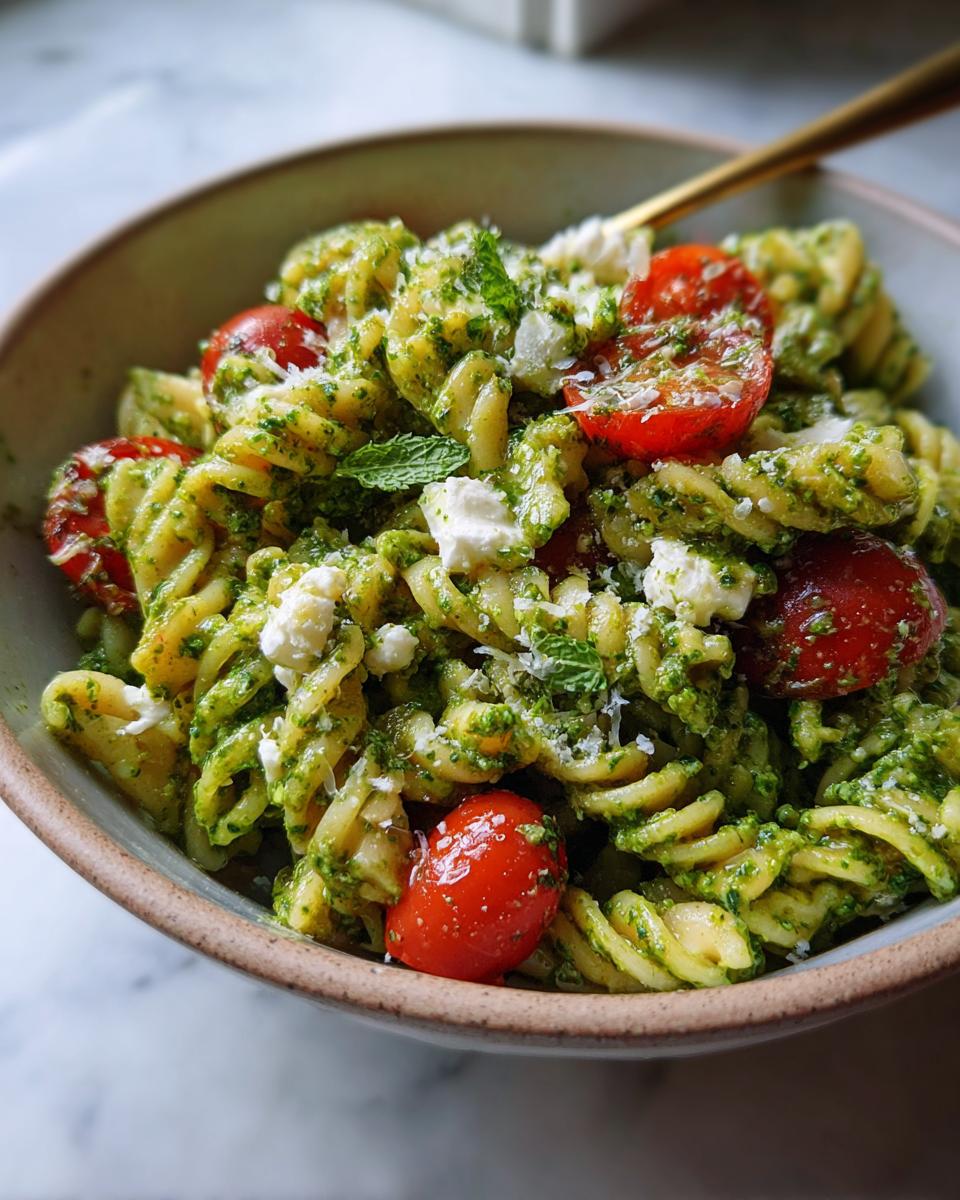
Okay, picture this: it’s finally warm enough to eat outside, you’ve got friends coming over, and you need something that feels special but won’t keep you in the kitchen all day. That was me last weekend, scrambling before a little backyard get-together. I wanted a dish that shouted “spring!” from the rooftops. Enter my hero: this incredibly fresh and vibrant Spring Pea Pesto Pasta Salad.
Now, I love a classic basil pesto, but using sweet spring peas as the base? It’s a total game-changer. It creates this creamy, bright green sauce that’s somehow lighter but still feels indulgent. I’ve been tweaking this recipe for a couple of seasons now, and I think I’ve finally nailed it. My family practically inhales it, and at that picnic, the bowl was scraped clean before I even got a second helping! Trust me, this isn’t your average, mayo-heavy pasta salad. It’s a burst of fresh flavor in every single bite.
Why You Will Love This Spring Pea Pesto Pasta Salad
I get so excited about this recipe because it just checks every box for this time of year. If you’re on the fence about making it, let me tell you exactly what makes it a total winner in my book.
- It tastes like spring in a bowl. Seriously, the flavor is so fresh and clean. The sweet peas, the zingy lemon, and that little hint of mint come together in a way that just feels sunny and bright. It’s the complete opposite of a heavy, wintery meal.
- It comes together in about 30 minutes. From fridge to table in half an hour! That’s my kind of cooking. You can have this gorgeous, impressive-looking dish ready faster than you can decide what to watch on TV.
- The color is absolutely stunning. That vibrant green pesto coating the pasta? It’s a showstopper. It makes any table look instantly more cheerful and festive. Food that looks this good just tastes better, I swear.
- It’s the perfect make-ahead hero. Picnic, potluck, weeknight dinner—this salad has your back. It actually gets better as it chills for a bit, letting all the flavors get to know each other. No last-minute stress, just deliciousness ready to go.
Ingredients for Spring Pea Pesto Pasta Salad
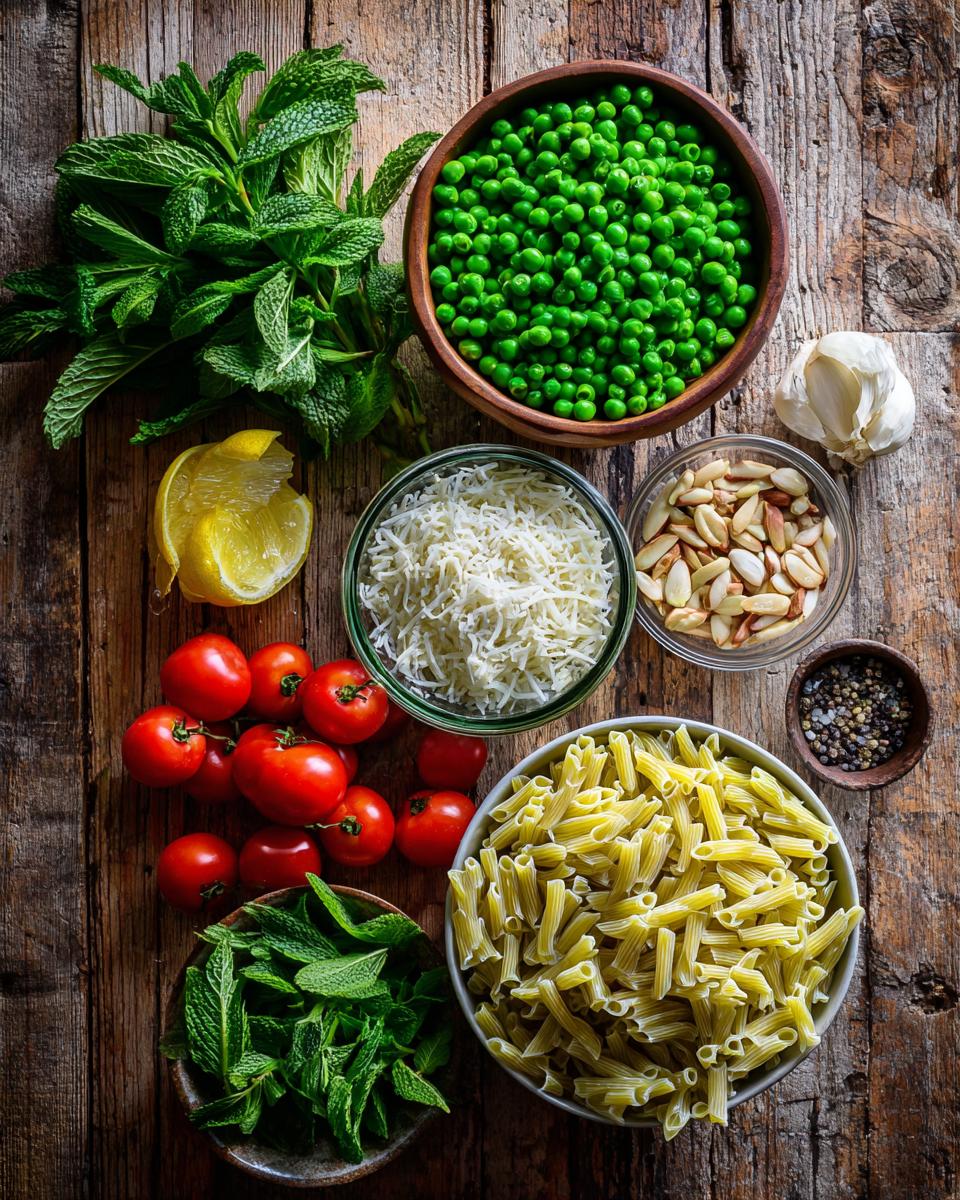
Gathering everything for this salad is half the fun—it’s like a little treasure hunt for the freshest, brightest flavors. I like to separate everything into two piles on my counter: one for the magical green pesto we’re about to make, and one for tossing in at the end. It just makes the whole process feel smoother.
For the Spring Pea Pesto:
- 12 oz (340g) short pasta – I’m loyal to fusilli or penne here. Those little curls and tubes are perfect for catching all the pesto!
- 2 cups fresh or frozen peas – No need to thaw if frozen, promise. We’re going to blanch them anyway.
- 2 cloves garlic, peeled – This gives it that gentle kick.
- 1/2 cup finely grated Parmesan cheese – Get the good stuff from the cheese section, not the shaker can. It melts into the pesto so much better.
- 1/3 cup pine nuts – For that rich, buttery flavor. We’ll toast them first—trust me, it’s a game-changer.
- 1/2 cup extra virgin olive oil – Use the best you have for this. It’s the backbone of the pesto.
- 1/4 cup packed fresh mint leaves – This is the secret spring whisperer! Just the stems plucked off.
- Juice of 1 medium lemon – That’s about 3 tablespoons. Freshly squeezed, please! It wakes up all the other flavors.
- Salt and black pepper to taste – Don’t be shy.
For the Salad Mix-Ins:
- 1 cup cherry tomatoes, halved – They add little juicy pops of sweetness.
- 1/2 cup crumbled feta cheese – The salty tang against the sweet peas is just *chef’s kiss*.
Ingredient Notes and Simple Swaps
Look, I’m all about following a recipe, but I’m also all about using what you’ve got! Here’s the lowdown on making this salad your own.
First, the pine nuts. I know, they can be pricey. If you don’t have any, walnuts or slivered almonds are fantastic, cheaper stand-ins. Just toast them the same way until they smell amazing.
For the cheeses: if you need a vegetarian-friendly Parmesan, just check the label—some brands use animal rennet. And the feta? You can absolutely skip it if you want a less salty salad, or swap in some creamy goat cheese crumbles for a different vibe.
Out of mint? A big handful of fresh basil works beautifully. It’ll taste more like a classic pesto, but it’ll still be delicious. Dried herbs just don’t work here, sorry!
And here’s my favorite tip: if you want your pesto extra creamy and lush, toss in a tablespoon of plain Greek yogurt while you’re blending. It adds a wonderful tang and silky texture.
Finally, don’t stress about fresh peas. A bag of frozen peas is my year-round hero. They’re frozen at peak freshness, so they work perfectly and save you so much time shelling. This recipe is meant to be easy and joyful, not a chore!
Essential Equipment
Okay, let’s talk gear. The beautiful thing about this Spring Pea Pesto Pasta Salad is that you don’t need any fancy gadgets. I’m pretty sure you have 90% of this stuff in your kitchen right now. It’s all about using the right tool for each simple job, which makes the whole process feel smooth and, dare I say, fun.
- A big ol’ pot for the pasta. This one’s non-negotiable. You need plenty of room for that pasta to swim around in well-salted water so it cooks evenly.
- A colander. For draining the pasta and those bright green peas. I have a designated “pasta colander” that lives in my pot—it’s a happy relationship.
- A food processor or a good blender. This is where the magic happens! You’ll whizz your peas, nuts, and herbs into that gorgeous green pesto here. If you only have a blender, that works too—you might just need to stop and scrape the sides down a bit more.
- A small skillet. Just for toasting those pine nuts (or walnuts!). A dry pan over medium heat is all you need to wake up their rich, nutty flavor. Watch them like a hawk—they go from perfect to burnt in a flash!
- A large mixing bowl. The grand finale stage! This is where you’ll toss everything together. Go big here—you want room to mix without sending peas flying across the counter.
- Measuring cups and spoons. I’m usually a “pinch of this, glug of that” cook, but for the pesto balance, measuring is your friend. It ensures that perfect creamy texture every single time.
See? Nothing crazy. Now let’s get cooking!
How to Make Spring Pea Pesto Pasta Salad
Alright, here’s where the fun really starts! Making this salad is like a little kitchen dance—a few things happening at once, but all in a really simple rhythm. I promise it’s not complicated. Just follow these steps, and you’ll have a bowl of spring happiness in no time. The key is getting everything cooled down before you mix it all together, so it stays fresh and vibrant.
Step 1: Cook and Cool the Pasta
First things first: get a big pot of water on the stove and salt it generously—like, more than you think you need. This is your one chance to season the pasta itself, and it makes a huge difference. While that comes to a roaring boil, grab your 12 ounces of fusilli or penne.
Cook it just until it’s al dente, which usually means a minute or two less than the package says. You want it to have a little bite, because mushy pasta in a salad is just sad. As soon as it’s ready, drain it in your colander and then give it a good rinse under cold tap water. This stops the cooking dead in its tracks and cools the pasta down completely, which is absolutely crucial for that perfect pasta salad texture. Let it drain really well while you move on to the next steps.
Step 2: Prepare the Peas and Toast the Nuts
Now, let’s multitask! Bring another smaller pot of water to a boil for the peas. While you wait, fill a medium bowl with cold water and a handful of ice cubes—this is your “ice bath.”
Drop your peas (fresh or frozen, no need to thaw) into the boiling water and let them cook for just 2 minutes. You’ll see them turn this incredible, electric green. That’s your cue! Immediately drain them and then plunge them right into the ice bath. This “shocks” them, locking in that bright color and stopping them from getting soft and sad. Let them float in there for a minute, then drain them again. See? Easy.
While the peas are blanching, grab your small skillet. Toss in the pine nuts (or walnuts if you’re using those) and toast them over medium heat. No oil needed! Just shake the pan often. In about 3 minutes, they’ll be golden and smell amazing. The second you catch that nutty fragrance, pour them onto a plate to stop the cooking. Burnt nuts are the worst, so don’t walk away!
Step 3: Blend the Spring Pea Pesto
This is my favorite part—making the magic green sauce! Grab your food processor. Throw in the cooled peas, garlic cloves, grated Parmesan, most of your toasted nuts (save a little handful for sprinkling on top later—it’s a pretty garnish!), the fresh mint leaves, and all that lovely lemon juice.
Pulse it a few times until it’s all roughly chopped. Now, with the processor running, slowly pour that half cup of olive oil in through the feed tube. Keep it going until the pesto is smooth and creamy. It should look like spring itself! Taste it now. It will probably need a good pinch of salt and a few grinds of black pepper. Season it until it tastes bright and balanced to you. Trust your tongue!
Step 4: Assemble Your Spring Pea Pesto Pasta Salad
The grand finale! Take your big mixing bowl and add the cooled, rinsed pasta. Plop in all that beautiful green pesto you just made. Add your halved cherry tomatoes and the crumbled feta cheese.
Now, get in there with a big spoon or, better yet, clean hands, and toss it all together. Be gentle but thorough—you want every single piece of pasta to get coated in that vibrant sauce. Once it’s all mixed, take a little taste. Need more salt? A squeeze more lemon? This is your moment to make it perfect. Give it one final gentle toss, and you are done! See? I told you it was simple.
Tips for the Best Spring Pea Pesto Pasta Salad
Okay, I’ve made this salad more times than I can count, and I’ve learned a few things the hard way so you don’t have to! These little tips are what take it from “good” to “oh-my-goodness-can-I-have-the-recipe” great. They’re all about respecting the ingredients and setting yourself up for success.
- Salt your pasta water like the sea. I know I already said it, but it’s the most important tip! The pasta soaks up that salty water, and it’s the foundation of the whole dish. Don’t be shy with it.
- Toast your nuts with love (and attention). Seriously, don’t walk away from the stove. They go from perfectly golden to acrid and burnt in about 30 seconds. Shake that pan constantly and use your nose—when it smells wonderfully nutty, they’re done.
- Reserve a cup of that starchy pasta water. Before you drain the pasta, scoop out about a half cup of the cloudy cooking water. If your pesto seems a little thick when you’re mixing the salad, splash in a tablespoon or two. The starch helps the pesto cling to the pasta beautifully and makes everything extra creamy.
- Use the best olive oil you can for the pesto. Since it’s a main flavor, a good extra virgin olive oil really shines through. You’ll taste the difference, I promise.
- Let it mingle in the fridge for a bit. I know it’s tempting to dig right in, but if you can resist for just 20-30 minutes after tossing, the flavors get to know each other and the whole salad becomes even more delicious. It’s the perfect make-ahead move.
Serving and Variation Ideas
Now, how to serve this beauty? I love piling it onto a big, colorful platter. I sprinkle those reserved toasted pine nuts on top, tear over a few extra mint leaves, and add some lemon wedges on the side for an extra squeeze. It looks so fancy with zero extra effort!
And listen, this recipe is your friend, so feel free to play around. If you want to make it a heartier meal, grilled chicken or chickpeas tossed right in are fantastic for a protein boost. In the spring, I sometimes throw in some blanched, chopped asparagus for another layer of green goodness.
Not feeling pasta? This pea pesto is magic on other things too! Try it tossed with cooked quinoa or farro for a whole-grain twist, or even as a vibrant dip for crackers and veggies. Once you have that green sauce in your life, you’ll find a million ways to use it!
Storing and Reheating Your Spring Pea Pesto Pasta Salad
So, you made this beautiful salad and maybe, just maybe, you have some leftovers? (It happens! Sometimes.) The good news is, this Spring Pea Pesto Pasta Salad is a fantastic make-ahead dish, and it stores like a dream. But there’s one little quirk you need to know about to keep it tasting its absolute best.
First, always store it in an airtight container in the refrigerator. I’m a fan of glass containers because they don’t hold onto smells, but whatever you’ve got works. It will stay fresh and delicious for up to 2 days. After that, the textures start to change a bit, though it’s usually still perfectly edible.
Here’s the thing you might notice: the pasta loves to drink up that gorgeous pesto sauce while it chills. Don’t panic if you open the fridge and it looks a little less saucy than when you first made it! This is totally normal. The flavor is all still there, I promise.
My favorite trick to bring it back to life is to give it a fresh squeeze of lemon juice and a tiny drizzle of olive oil before serving. Toss it again, and boom—it’s revived, bright, and vibrant. Sometimes I’ll even stir in a spoonful of plain yogurt or a splash of water if it needs more loosening up.
One important note: this salad is best served cold, straight from the fridge. I don’t recommend reheating it. Warming it up can make the fresh mint taste bitter and can cause the feta to get weirdly oily. Trust me, it’s a cold salad through and through. And as for freezing? I wouldn’t. The texture of the peas and pasta just doesn’t survive the thaw well. It’s so quick to make fresh, it’s better to just whip up a new batch when the craving strikes again!
Spring Pea Pesto Pasta Salad Nutrition Information
Okay, let’s talk numbers for a second. I know some folks like to keep an eye on these things, and I totally get it. But here’s my big disclaimer right up front: the nutrition info below is just an estimate. I calculated it based on the exact ingredients and amounts I used in my kitchen, but your brand of pasta, cheese, or olive oil might be a little different. The size of your lemons, how much salt you add—it all makes the numbers dance around a bit. So please, use this as a friendly guide, not a strict rulebook!
That said, for one good-sized serving (about a cup and a half), here’s the general breakdown:
- Calories: 420
- Fat: 22g
- Carbohydrates: 45g
- Fiber: 6g
- Protein: 14g
- Sodium: 320mg
What I love seeing here is that it’s a really satisfying, balanced meal. You’ve got a good amount of protein and fiber from the peas, nuts, and pasta, which means it’ll keep you full and happy. And a lot of that fat is the good-for-you kind from the olive oil and nuts. So you can feel good about digging into a big, vibrant bowl of this stuff!
Common Questions About Spring Pea Pesto Pasta Salad
I get it—when you’re trying a new recipe, little questions pop up! I’ve had plenty myself, and I’ve gotten some great ones from friends who’ve made this salad. So, let me tackle the most common ones right here. Think of this as our little pre-game chat before you head into the kitchen.
Can I make this spring pea pesto pasta salad ahead of time?
Absolutely, and I actually recommend it! This is one of those dishes that gets better as it sits. You can make the whole thing up to 2 days in advance. Just keep it tightly covered in the fridge. If the pasta soaks up a bit too much of the pesto (it happens!), a fresh squeeze of lemon juice and a tiny drizzle of olive oil right before serving will wake it right back up.
Can I use dried herbs instead of fresh mint?
Oh, I wish I could say yes, but for this spring pea pesto pasta salad, fresh is really the way to go. Dried mint tastes completely different—more like tea than a bright, herbaceous pop. If you’re out of mint, fresh basil is a fantastic swap. In a real pinch, you could skip the mint entirely and just let the peas and lemon shine, but fresh herbs make it something special.
Is this spring pea pesto pasta salad gluten-free?
It sure can be! The only thing with gluten is the pasta itself. So, just swap the regular fusilli or penne for your favorite gluten-free pasta brand. Cook it to al dente and follow the rest of the steps exactly the same. Easy peasy!
What can I use instead of pine nuts? They’re so expensive!
Tell me about it! I love pine nuts, but I don’t always have them in the pantry. My go-to substitutes are walnuts or almonds. Just toast them the same way in a dry pan until they’re fragrant. They give you that same rich, nutty backbone for the pesto without the fancy price tag.
How do I prevent the pasta from getting dry or sticky?
Great question! Two of my best tips: First, after you rinse the pasta under cold water, give it a very light drizzle of olive oil and toss it. This creates a little barrier. Second, and this is my secret weapon—save a cup of the starchy pasta water before you drain the pot! If your salad seems a bit thick or dry when you’re mixing, splash in a tablespoon or two of that reserved water. The starch helps the pesto cling and makes everything beautifully creamy.
Share Your Spring Pea Pesto Pasta Salad
Alright, you’ve seen my version, but I really want to see yours! This recipe is one of my absolute favorites to share, and it makes my day to hear how it turns out in other kitchens. Did your family gobble it up? Did you add your own twist with some grilled shrimp or a handful of sun-dried tomatoes?
If you gave this Spring Pea Pesto Pasta Salad a try, I would be so grateful if you left a star rating or a comment below. It helps me know what you’re loving and what recipes to make more of. Even better, if you snapped a picture of your beautiful, green creation, tag me on social media! I love seeing your platters and bowls—it’s like we’re all having a big, virtual spring picnic together.
And please, tell me everything! Did your kids actually eat the peas? Did you swap in a different nut? Did it save the day at your last-minute potluck? Your stories and tweaks are the best part of sharing recipes. They inspire me and everyone else who reads them. So, don’t be shy—tell me how yours turned out!
Print
Spring Pea Pesto Pasta Salad
- Total Time: 30 minutes
- Yield: 6 servings 1x
- Diet: Vegetarian
Description
A fresh and vibrant pasta salad featuring a creamy pea pesto sauce.
Ingredients
- 12 oz (340g) short pasta (like fusilli or penne)
- 2 cups fresh or frozen peas
- 2 cloves garlic
- 1/2 cup grated Parmesan cheese
- 1/3 cup pine nuts
- 1/2 cup olive oil
- 1/4 cup fresh mint leaves
- Juice of 1 lemon
- Salt and black pepper to taste
- 1 cup cherry tomatoes, halved
- 1/2 cup crumbled feta cheese
Instructions
- Cook the pasta in salted boiling water until al dente. Drain and rinse under cold water.
- Blanch the peas in boiling water for 2 minutes, then drain and transfer to an ice bath.
- Toast the pine nuts in a dry pan over medium heat until golden, about 3 minutes.
- In a food processor, combine the peas, garlic, Parmesan, toasted pine nuts, mint, and lemon juice. Pulse until roughly chopped.
- With the processor running, slowly add the olive oil until the pesto is smooth. Season with salt and pepper.
- In a large bowl, combine the cooled pasta, pea pesto, cherry tomatoes, and feta cheese. Toss until everything is well coated.
- Serve immediately or chill for up to 2 hours before serving.
Notes
- You can use fresh or frozen peas for the pesto.
- For a creamier pesto, add a tablespoon of Greek yogurt.
- Store leftovers in an airtight container in the refrigerator for up to 2 days.
- Prep Time: 15 minutes
- Cook Time: 15 minutes
- Category: Salad
- Method: No-Cook / Stovetop
- Cuisine: Italian-Inspired
Nutrition
- Serving Size: 1.5 cups
- Calories: 420
- Sugar: 6g
- Sodium: 320mg
- Fat: 22g
- Saturated Fat: 6g
- Unsaturated Fat: 14g
- Trans Fat: 0g
- Carbohydrates: 45g
- Fiber: 6g
- Protein: 14g
- Cholesterol: 20mg